
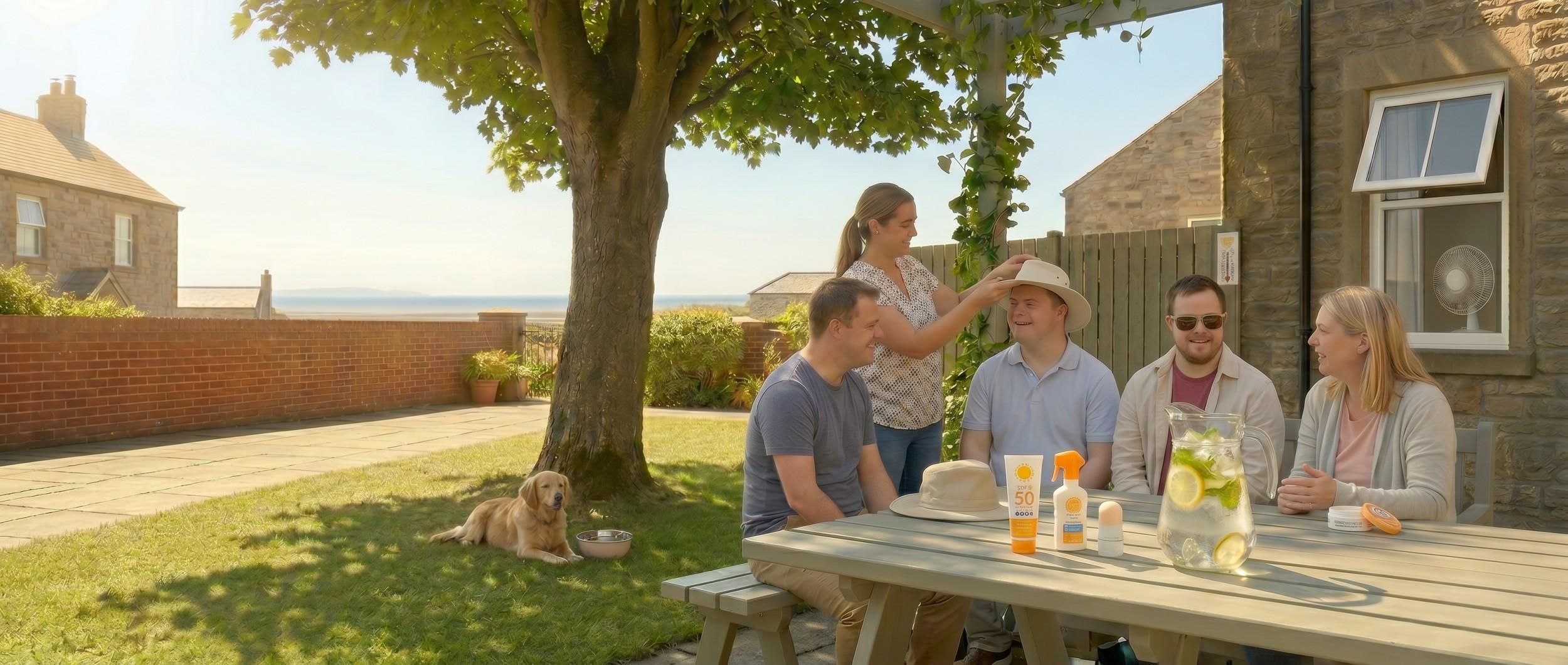
Keeping Service Users Safe During a Heatwave
Hot weather can be lovely, but during a heatwave it can also become dangerous very quickly — especially for people who need support with daily living, communication, mobility, health needs or medication.
At Has2Bhappy, keeping people safe in hot weather is about preparation, calm daily support, and noticing small changes early. Heat-related illness is often preventable when staff, families and professionals work together.
Why heatwaves can be risky
A heatwave can affect anyone, but some people are more likely to become seriously unwell. This includes people who:
are older
have heart, breathing, kidney, diabetes, Parkinson’s, dementia, mobility or mental health conditions
need support to drink, dress appropriately, move around or make decisions
live alone or may not be able to ask for help
are already unwell with vomiting, diarrhoea, infection or dehydration
take certain medicines
live in homes that get very hot, such as top-floor flats, homes with little shade, or homes where windows cannot be opened safely [1]
For adults with learning disabilities, staff should remember that a person may not always say, “I am too hot” or “I am thirsty.” Changes in behaviour, mood, sleep, appetite, energy, communication, continence or usual routine may be early warning signs that something is wrong.
Before hot weather arrives: plan ahead
Good heatwave support starts before the temperature rises.
Each service should:
check the weather forecast and Heat-Health Alerts
identify which service users are most at risk
update individual heatwave plans and hospital passports where needed
check that fans, thermometers, fridges and freezers are working
make sure staff know how to recognise dehydration, heat exhaustion and heatstroke
agree who will monitor room temperatures, fluids, medication storage and daily wellbeing
check that service users have suitable clothing, hats, sunscreen and water bottles
plan quieter, cooler routines for very hot days
make sure emergency contact details, GP details and pharmacy details are up to date [1]
It is also worth preparing easy-read information, pictures, social stories or objects of reference so that service users can understand what is happening and be involved in choices about keeping cool.
Keep the home cool
Some homes can overheat quickly. During very hot weather, staff should help keep the indoor environment as cool as possible.
Helpful actions include:
closing curtains, blinds and shutters on windows facing the sun
closing windows during the day if it is hotter outside than inside
opening windows when it is cooler outside, such as in the evening or overnight, if it is safe to do so
turning off unused lights, chargers and electrical equipment
avoiding unnecessary oven use during the hottest part of the day
moving activities, meals or rest time to the coolest room
checking bedroom temperatures, especially before sleep
using fans when appropriate, but not pointing them directly at someone for long periods
considering whether a cooler public place, garden shade or community space can be used safely [2]
Rooms used by people at higher risk should be checked regularly. UKHSA guidance says high-risk groups can find it hard to cool themselves once temperatures rise above 26°C, so staff should take indoor temperatures seriously and record concerns [1].
Support people to drink enough
Dehydration is one of the biggest risks during hot weather. People may need more prompts, more choices and more support than usual.
Staff can help by:
offering drinks regularly, not just at mealtimes
keeping drinks within reach
using preferred cups, straws or adapted drinking aids
offering small amounts more often if someone does not like drinking large amounts
encouraging water, diluted sugar-free squash or lower-fat milk
offering water-rich foods such as melon, cucumber, jelly, yoghurt, soups, salads and ice lollies
checking urine colour where appropriate — pale straw colour is a helpful sign of hydration
recording fluid intake where this is part of the person’s care plan
seeking advice if someone is drinking much less than usual [3]
Signs of dehydration can include thirst, headache, dizziness, tiredness, dry mouth, dark yellow strong-smelling urine, or passing urine less often than usual. Some people may become more confused, sleepy, irritable or unsteady [3].
Keep routines cooler and calmer
On very hot days, staff should adapt the day around the weather.
This may include:
avoiding unnecessary outings between 11am and 3pm
moving walks, shopping, gardening or appointments to early morning or evening
reducing strenuous activity
using shaded areas
encouraging cool showers, cool foot baths or damp cloths on the back of the neck
offering light, loose-fitting clothing
making sure footwear is safe, comfortable and not too hot
checking that wheelchairs, seats, cushions and mobility equipment are not overheating
allowing more rest breaks
watching for tiredness, agitation, distress or unusual behaviour [4]
For some service users, changes to routine can cause anxiety. Staff should explain changes simply, use visual support, offer choices and reassure the person that the changes are temporary and are being made to keep everyone safe.
Sun safety matters too
Heat and sun are not the same risk, but they often happen together.
When going outside, staff should support service users to:
stay in the shade where possible
avoid direct sun between 11am and 3pm
wear a wide-brimmed hat where tolerated
wear lightweight, loose-fitting clothes
wear sunglasses if they are comfortable with them
use sunscreen with at least SPF 30 and 4- or 5-star UVA protection
reapply sunscreen regularly, especially after sweating, swimming or towel drying [5]
Some people dislike sunscreen because of the texture, smell or sensation. Staff can try different formats, such as sprays, roll-ons or sensitive-skin products, and use a person-centred approach.
Medication and heat: an important safety check
Heat can affect service users in two important medication-related ways.
First, some medicines can make a person more likely to become unwell in hot weather. Second, heat can affect the medicine itself, meaning it may not work properly if stored incorrectly.
Medicines that may increase heat-related risk
Some medicines can affect hydration, sweating, alertness, body temperature, kidney function or how the body responds to heat. This does not mean the person should stop taking them. It means staff should be more alert and seek professional advice if concerned.
Medicines that may need extra awareness in hot weather include:
diuretics, sometimes called water tablets, such as furosemide
blood pressure medicines, including ACE inhibitors, beta blockers and calcium channel blockers
some diabetes medicines, including insulin and metformin
some antipsychotic medicines, such as olanzapine or quetiapine
stimulant medicines used for attention disorders
medicines with anticholinergic effects, including some antihistamines and medicines used for bladder symptoms
lithium, digoxin and some antiepileptic medicines, which can be affected by dehydration
medicines that cause sleepiness, reduced alertness or confusion
medicines that can cause vomiting or diarrhoea, increasing dehydration risk
some medicines that may make the skin more sensitive to sunlight, including some antibiotics, antidepressants, diuretics, acne or eczema treatments, and methotrexate [6]
Staff should never stop, reduce or change a prescribed medicine unless advised by a doctor, pharmacist, prescriber or other appropriate clinician.
Storing medicines safely
Most medicines should be stored somewhere cool, dry and away from direct sunlight. Many should be kept below 25°C unless the packaging says otherwise. Medicines should only be stored in a fridge if the label or pharmacist says they should be [7].
During a heatwave:
do not leave medicines on windowsills
do not leave medicines in cars, hot bags or direct sunlight
keep medicines in the coolest suitable room
check storage instructions on the box or patient leaflet
monitor medicine fridge temperatures where fridge medicines are stored
ask the pharmacist for advice if a medicine has been exposed to heat
do not use medicines that have changed colour, smell, texture or appearance without checking first
remember that medical devices and test strips, such as blood glucose monitoring equipment, may also be affected by heat [6]
Examples of heat-sensitive medicines and devices can include insulin, some liquid antibiotics, inhalers, hormone patches, EpiPens, blood glucose monitors and test strips [6].
Watch for heat exhaustion and heatstroke
Heat exhaustion needs quick action. Symptoms may include:
tiredness
dizziness
headache
feeling sick or being sick
heavy sweating
pale, clammy skin, although this may be harder to see on brown or black skin
cramps in the arms, legs or stomach
high temperature
intense thirst
irritability or unusual behaviour [8]
If a service user shows signs of heat exhaustion:
Move them to a cooler place.
Remove unnecessary clothing.
Offer cool water or a rehydration drink if they can safely drink.
Cool their skin with cool water, a sponge, spray, damp cloth or wrapped cold packs under the armpits or on the neck.
Stay with them and monitor closely [8].
They should start to cool down and feel better within 30 minutes. Contact NHS 111 if symptoms are difficult to manage, you are worried, or the person is not improving [8].
Heatstroke is a medical emergency. Call 999 if the person:
is still unwell after 30 minutes of cooling and drinking fluids
has a very high temperature
has hot skin and is not sweating
has fast breathing or shortness of breath
has a fast heartbeat
is confused, restless or lacking coordination
has a seizure
loses consciousness [8]
Do not drive the person to A&E yourself. Call 999 and follow the call handler’s advice.
Food, meals and daily living
Hot weather can reduce appetite, affect food safety and make cooking uncomfortable.
Staff can:
offer lighter meals, salads, fruit and cold foods
include foods with high water content
avoid cooking at the hottest time of day
check fridge and freezer temperatures
keep chilled foods chilled
support safe food shopping so service users do not need to go out in peak heat
watch for signs that someone is eating or drinking much less than usual [1]
Travel, cars and closed spaces
Cars and other small closed spaces can become dangerously hot very quickly.
Service users should never be left alone in a stationary car or closed vehicle during hot weather. When travel is essential:
take water
plan cooler travel times
avoid unnecessary delays
check that medication is not left in a hot vehicle
use shade and ventilation where possible
consider whether the journey can be postponed, shortened or completed differently [4]
Swimming and water safety
Water can be tempting during hot weather, but it brings its own risks.
When supporting swimming or water activities:
only use safe, supervised places
follow lifeguard and warning signs
do not enter open water after alcohol
remember that open water can be much colder than it looks
support people to leave the water if they feel cold, tired or unwell
reapply sunscreen after swimming or towel drying
complete individual risk assessments for people who need support with awareness, mobility, communication or seizures [4]
Staff wellbeing helps keep service users safe
Staff can also become unwell in hot weather. Tired, overheated staff may find it harder to notice risks, communicate calmly or provide safe support.
Managers should encourage staff to:
drink regularly
take breaks where possible
report feeling unwell
avoid unnecessary physical exertion at the hottest time of day
raise concerns if a home, vehicle or activity feels unsafe because of heat
follow local lone-working and escalation procedures [9]
Heat is a health and safety risk, so services should review working conditions and put sensible controls in place.
What staff should record
During hot weather, records should be practical and focused on risk.
Depending on the person’s support plan, staff may need to record:
room temperatures
fluid intake
food intake if reduced
urine concerns, where appropriate
changes in presentation, behaviour or communication
cooling actions taken
medication storage concerns
advice from GP, pharmacist, NHS 111 or emergency services
family or professional contacts
any best-interest decisions or changes to planned activities
Good records help the whole team spot patterns and act early.
Simple daily heatwave checklist
During a heatwave, ask:
Is the person drinking enough?
Are they passing urine as usual?
Is their room too hot?
Are curtains or blinds closed on sunny windows?
Are they wearing light, comfortable clothing?
Have outdoor activities been moved to cooler times?
Are medicines stored correctly?
Is this person on medicines that may increase heat risk?
Are there any changes in mood, behaviour, alertness, mobility or communication?
Do we need GP, pharmacist, NHS 111 or emergency advice?
Final message
Keeping people safe in a heatwave is not about stopping people enjoying the summer. It is about planning ahead, offering the right support, listening to each person, and acting quickly when something changes.
Small actions — a cool drink, a shaded room, a medicine storage check, a changed activity time, a call to the pharmacist — can prevent serious harm.
Citation key for the numbered references in the draft
[1] UKHSA guidance for social care managers: people at higher risk, need for preparation, hydration, care plans, home cooling, monitoring temperatures and medication awareness.
[2] GOV.UK “Beat the heat: keep cool at home” checklist: homes at risk of overheating and practical cooling steps.
[3] NHS dehydration guidance: symptoms, higher-risk groups, fluids, pale urine, and supporting someone you care for to drink.
[4] GOV.UK “Beat the heat: staying safe in hot weather”: avoiding peak sun, reducing strenuous activity, closed spaces, swimming safety and general heatwave actions.
[5] NHS sunscreen and sun safety: shade between 11am and 3pm, SPF 30, UVA protection and reapplying sunscreen.
[6] MHRA and UKHSA/GOV.UK medication guidance: heat can affect medicines, devices and the body’s response to medicines; diuretics, blood pressure medicines, diabetes medicines, antipsychotics, stimulants and sun-sensitivity risks are highlighted.
[7] Specialist Pharmacy Service and UKHSA guidance: temperature changes can affect medicines; most medicines should be stored cool, dry, out of direct sunlight and generally below 25°C unless instructions say otherwise.
[8] NHS heat exhaustion and heatstroke guidance: symptoms, cooling steps, 30-minute rule, NHS 111 and 999 escalation.
[9] HSE and UKHSA healthcare guidance: heat is a workplace risk; staff should stay hydrated, report concerns and employers should manage heat-related risks.